And be found in him, not having a righteousness of my own that comes from the law, but that which comes through faith in Christ, the righteousness from God that depends on faith—
(Philippians 3:9)
Read: Rom 4:22-25, 5:12-19; Phil 3:8-9; 2 Cor 5:21; and 1 Pet 2:21-25
Devotion: We’re starting this devotion off with a little activity. Grab a pen and a notepad and spend a few minutes writing a list of sins and characteristics of fallen man’s nature. These can be sins you’ve struggled with or are currently struggling with or general sins. For example, you can list things like fear, laziness, covetousness, lust, spiritually dead, guilty, etc.
Now read through that list and meditate on the fact that this is the unbeliever’s condition before God. If you are a believer already, imagine for a moment that you aren’t so that you can take in the full weight of the guilt of sinful man before a holy God. As Paul writes in Romans 3:12, “All have turned aside; together they have become worthless; no one does good, not even one.” Or as Isaiah writes, “We have all become like one who is unclean, and all our righteous deeds are like a polluted garment. We all fade like a leaf, and our iniquities, like the wind, take us away” (Isa 64:6). Pretty bleak and scary, right? How can anyone like that ever hope to stand before the perfectly holy Judge of the entire universe and live? They can’t, unless God does something about their sin himself. Keep that in mind as you write another list. This time the list will consist of Jesus’ character in his human nature. Think things like righteous, pure, holy, and obedient.
Now that you have two lists, one of yourself and one of Christ, compare and contrast them. It’s about as stark of a difference as you can get. On one side we have a sinful man, and on the other we have a perfect man. Our list is what we are, and Jesus’ list is exactly what we need to be to be reconciled to God and justified in his sight. But how can that happen when character traits like holy, righteous, and pure exclude any sort of sin whatsoever? Once we’ve been stained by sin, it’s impossible to remove that stain ourselves. What we need is not just a credit of righteousness to our account. We also need all of our sins—past, present, and future—completely and eternally removed from us. Enter the double imputation of the cross.
What we need is not just a credit of righteousness to our account. We also need all of our sins—past, present, and future—completely and eternally removed from us.
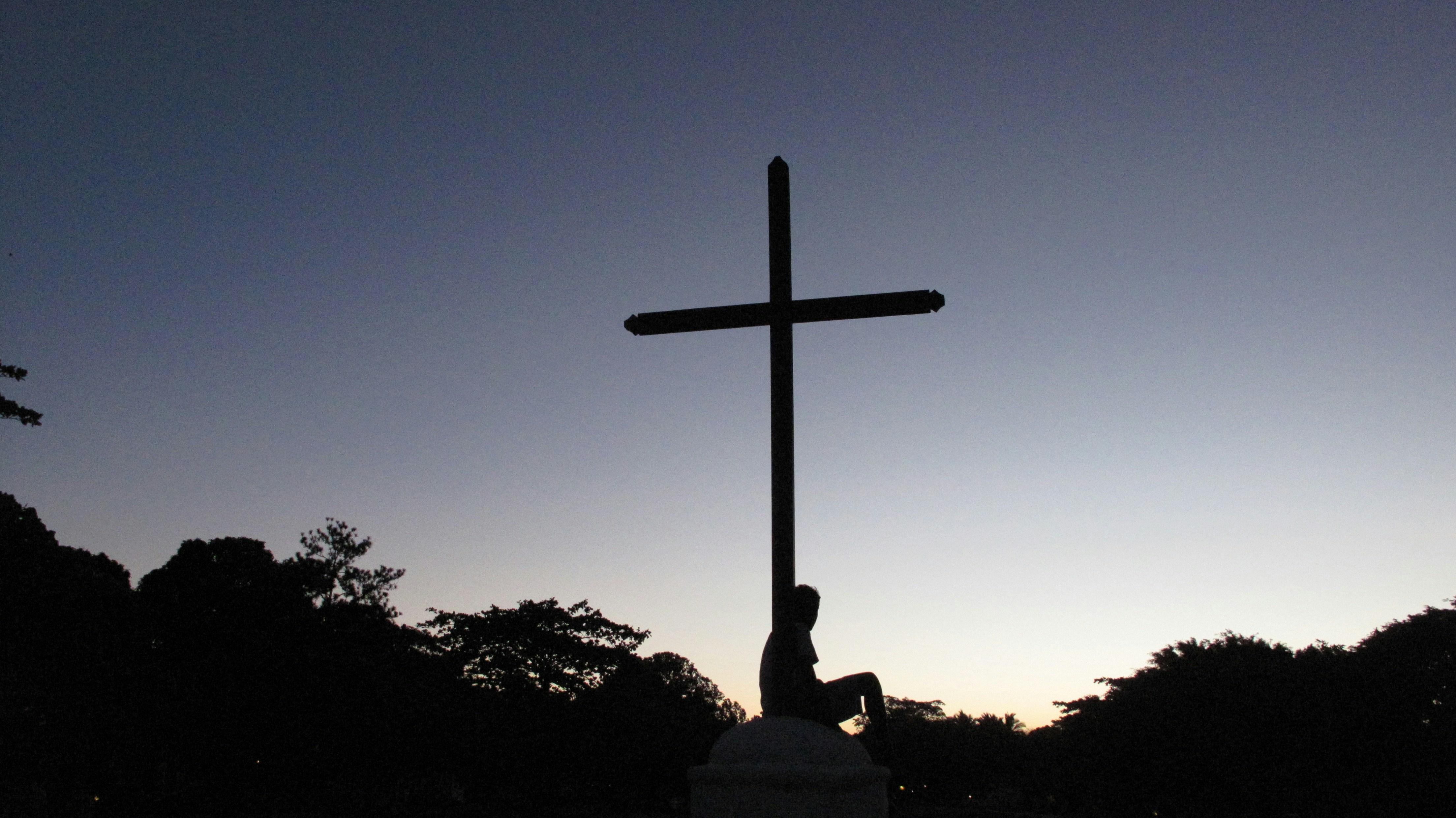
On the cross, the perfect Son of God and Son of Man was put forward as a sacrificial offering by God and to God for the forgiveness of his people’s sins (Rom 8:3-4, 32). The moment anyone believes that Christ died for them, their list is counted to Christ and Christ’s list is counted to them. That’s what the word “imputation” means—to count or ascribe someone’s quality or status to another. All of the sin and sinful characteristics of fallen man are laid on Christ. As Peter says, “He himself bore our sins in his body on the tree, that we might die to sin and live to righteousness” (1 Pet 2:24). And all of Christ’s perfections—his righteousness, purity, and holiness—fall on the sinful man. How amazing is that? We will be celebrating and recounting this good news and all its implications for eternity, but for the sake of space, just consider a few key ones.
First, God does not see our sinful state as “righteousness.” He sees Christ’s righteousness when he looks at us because of our union with him in his death and resurrection. Second, the power and effectiveness of Christ’s death is incomparable. His death two thousand years ago paid for all of our sins—past, present, and future. And third, Christ deserves all the praise, glory and honor. The Son of God who knew no sin became sin so that we might become the righteousness of God (2 Cor 5:21). It is because Christ was punished by God that we were healed. It is Christ alone who saves, not us or our works, thus he deserves all of the glory and credit for our salvation.
Ponder and Pray: Consider what the double imputation of the cross implies for our daily living. If we have already been counted righteous before God, why does it matter if we live righteously? Finish by thanking God for Christ and his sacrifice.